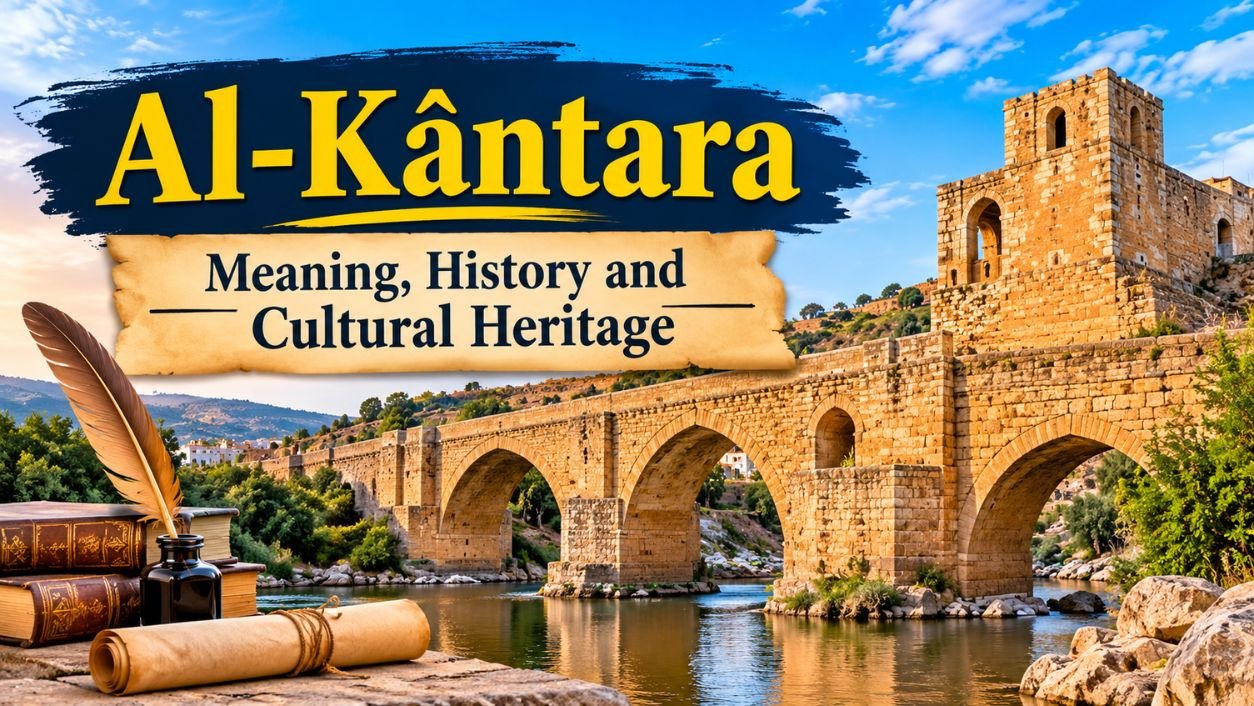
Al-Kântara is a name associated with the Arabic word al-qanṭara, meaning “the bridge.” Related forms appear in different parts of Europe and North Africa, including El Kantara in Algeria and Alcántara in Spain. These places offer an interesting look at how language, geography, architecture, and cultural exchange have shaped regional history.
What Does Al-Kântara Mean?
The name Al-Kântara is linked to the Arabic expression al-qanṭara (القنطرة), which means “the bridge.” The word al- means “the,” while qanṭara refers to a bridge, particularly a substantial stone structure.
Arabic vocabulary has influenced many place names across the Iberian Peninsula and North Africa. Over time, different languages adapted the original pronunciation and spelling, creating forms such as Al-Qantara, El Kantara, Alcántara, and Alcântara.
Although these names share a linguistic connection, they do not necessarily refer to the same location or historical event.
Where Is Al-Kântara Located?
Al-Kântara is associated with several locations, but two notable examples are El Kantara in Algeria and Alcántara in Spain.
El Kantara in Algeria
El Kantara is located in northeastern Algeria, near Biskra. It is known for its dramatic gorge, rocky mountains, and surrounding oasis landscape.
The gorge forms a natural passage between northern Algeria and the Saharan interior. Its geographical position made it an important crossing for people travelling through the region.
The area also has evidence of earlier settlement, including Roman-period remains and inscriptions. Its landscape and traditional settlement patterns make it an interesting destination for visitors interested in North African history and geography.
Alcántara in Spain
Alcántara is a historic town in Cáceres province, Extremadura, western Spain, close to the Portuguese border. It is best known for its impressive Roman bridge across the Tagus River.
Built during the reign of Emperor Trajan in the early second century CE, the bridge is approximately 194 metres long and 71 metres high. Its six stone arches demonstrate the engineering skills of the Roman Empire.
The town also features historic religious buildings, including the Conventual de San Benito, which reflects its later medieval heritage and connection with the Military Order of Alcántara.
Other Places With Similar Names
Related names also appear in Portugal. One example is Alcântara, a district of Lisbon with a history shaped by urban development, transport, and waterfront activity.
These examples demonstrate how Arabic-derived place names became part of the geographical and cultural heritage of the Iberian Peninsula. However, each location has its own history and should be researched separately.
The History Behind Al-Kântara
The history associated with Al-Kântara reflects different periods of cultural and architectural development. Roman engineering, Arabic linguistic influence, and later regional traditions all contribute to the story of the places connected with this name.
Roman Engineering and Ancient Crossings
The Roman Bridge of Alcántara in Spain is one of the best-known landmarks associated with the name. Constructed during the second century CE, it crosses the Tagus River and remains an important example of Roman civil engineering.
Its large stone arches and central honorary arch reflect the Romans’ ability to build durable structures across challenging landscapes. The bridge has experienced damage and restoration throughout its history, but much of its original structure survives.
It is important to understand that the bridge is Roman, even though the town’s name has an Arabic linguistic connection. The monument and the origin of its name belong to different historical periods.
Arabic Language and Medieval Iberia
Arabic language and culture left a lasting influence on Spain and Portugal, particularly during the centuries of Muslim rule in parts of the Iberian Peninsula.
This influence remains visible in geographical names, vocabulary, architecture, agriculture, and historical traditions. Names such as Alcántara and Alcântara demonstrate how Arabic words became part of local languages.
These linguistic connections are valuable because they preserve traces of earlier cultural contact, even when the political and social conditions of a region have changed.
El Kantara’s Historical Role in North Africa
El Kantara’s history is closely connected to its geographical position. The gorge provided a natural passage through mountainous terrain, making it useful for movement between northern Algeria and the Sahara.
Roman-period evidence indicates that the area was known and used in antiquity. However, its wider history extends beyond the Roman period and includes later settlement and regional development.
The relationship between the gorge, water resources, and surrounding settlements helps explain why the location remained important over time.
Famous Landmarks Associated With Al-Kântara
Several landmarks help visitors understand the historical and geographical importance of places associated with Al-Kântara.
- Roman Bridge of Alcántara, Spain: A second-century Roman bridge known for its stone arches, engineering, and connection with Emperor Trajan.
- Conventual de San Benito, Spain: A historic religious complex associated with the Military Order of Alcántara and the town’s medieval development.
- El Kantara Gorge, Algeria: A natural crossing surrounded by rocky mountains and an oasis landscape.
The Roman Bridge of Alcántara is particularly notable because it combines architectural achievement with a long history of use, damage, and restoration.
What Can Travelers See and Do?
Travelers interested in Al-Kântara can explore historic architecture, natural landscapes, and locations connected with European and North African history.
Exploring El Kantara in Algeria
Visitors to El Kantara can enjoy the dramatic gorge, surrounding mountains, and oasis scenery. The landscape provides an opportunity to understand how geography influenced travel and settlement in this part of Algeria.
Photography, local sightseeing, and exploring the area’s cultural background are among the main attractions. Visitors should check local transport, weather, and access conditions before travelling.
Visiting Alcántara in Spain
Alcántara offers several attractions for history and architecture enthusiasts. Visitors can explore the Roman bridge, walk through the historic town centre, and discover buildings associated with its medieval heritage.
The surrounding Tagus River landscape also provides opportunities for enjoying nature and outdoor activities. Travelers can include Alcántara in a wider trip through Extremadura or western Portugal.
Planning a Heritage Trip
A little preparation can make a heritage visit more enjoyable. Before travelling, consider the following:
- Confirm the exact destination and country.
- Check current transport connections and road conditions.
- Verify opening hours for historic buildings and visitor facilities.
- Consider seasonal weather and walking conditions.
- Consult official tourism websites for updated visitor information.
If you are comparing El Kantara and Alcántara, remember that they are separate destinations. Their shared linguistic connection does not mean they are geographically close or have identical histories.
Common Mistakes When Researching Al-Kântara
Researching Al-Kântara can become confusing when different spellings and historical periods are mixed together. A few common mistakes are worth avoiding.
Confusing similarly named locations: El Kantara in Algeria and Alcántara in Spain are different places. Always include the country or region when searching for information.
Assuming Arabic names indicate Arabic construction: The Roman Bridge of Alcántara was built during the Roman period. Its name reflects later linguistic influence rather than the origin of its architecture.
Treating legends as historical facts: Historic monuments often have interesting local stories, but legends should be distinguished from documented evidence.
Using outdated travel information: Opening hours, transport arrangements, and visitor facilities can change. Check official sources before planning your visit.
Understanding these differences helps readers develop a more accurate picture of the area’s history and cultural significance.
Why Al-Kântara Matters to Cultural Heritage
Al-Kântara provides an interesting example of how language and architecture preserve connections between different civilizations. Its associated locations demonstrate how geography influenced settlement, travel, and the development of communities.
The Roman Bridge of Alcántara represents the engineering achievements of ancient Rome, while the Arabic-derived place name reflects a later period of linguistic influence. El Kantara in Algeria demonstrates the importance of natural crossings in North African history.
Together, these examples show that European and North African heritage cannot always be understood as separate subjects. Their histories include centuries of movement, cultural exchange, and changing regional identities.
Protecting historic structures, respecting traditional settlements, and supporting responsible tourism help preserve these valuable cultural landscapes for future generations.
Key Takeaways
- Al-Kântara is associated with the Arabic word al-qanṭara, meaning “the bridge.”
- El Kantara in Algeria is known for its gorge, mountains, and oasis surroundings.
- Alcántara in Spain is famous for its second-century Roman bridge over the Tagus River.
- Similar place names reflect linguistic connections but do not indicate identical histories.
- Arabic linguistic influence and Roman architecture belong to different historical periods.
- These locations offer valuable opportunities to explore European and North African cultural heritage.
FAQs
What does Al-Kântara mean in Arabic?
Al-Kântara is associated with the Arabic expression al-qanṭara, meaning “the bridge.” The term is connected with substantial bridges and stone crossings.
Where is Al-Kântara located?
The name is associated with different locations. Two notable examples are El Kantara in Algeria, near Biskra, and Alcántara in Spain’s Extremadura region.
Are Al-Kântara and Alcántara the same place?
No. They are related through their linguistic history, but they refer to different locations. El Kantara is known for its gorge in Algeria, while Alcántara in Spain is famous for its Roman bridge.
Is the Alcántara Bridge in Spain Roman?
Yes. The bridge was constructed during the reign of Emperor Trajan in the early second century CE. It is an important surviving example of Roman stone engineering.
What is El Kantara in Algeria famous for?
El Kantara is known for its dramatic gorge, rocky landscape, and oasis surroundings. Its geographical position historically made it an important crossing between northern Algeria and the Saharan interior.
Why do different countries use similar versions of the name?
Different spellings developed through linguistic changes and local pronunciation. Arabic vocabulary influenced Spanish and Portuguese place names, resulting in forms such as Alcántara and Alcântara.